Residential Synthetic Roof Covering Conveniences for Chicago-Area Homeowners
Chicago-area roofs do not get an easy job. They deal with freeze-thaw cycles, lake-effect climate, hard summer season sunlight, sleet that seems to arrive laterally, and wind occasions that test every seam, fastener, and flashing detail on the house. In areas from Naperville to Evanston, from Hinsdale to the North Shore, home owners typically want 2 things at the exact same time: a roofing that looks refined and a roofing that can handle penalty without becoming an upkeep project.
That is where artificial roofs have made real attention. Not due to the fact that they are trendy, and not because every home requires one, however because modern synthetic roofing systems fix an extremely practical problem. They can provide the aesthetic character of slate, cedar shake, or other high-end products while minimizing some of the weaknesses that typical products give a Midwestern climate.
For Chicago-area homeowners taking into consideration a roofing system upgrade, particularly those comparing premium synthetic roof to asphalt, cedar, clay, or natural slate, the real inquiry is not whether artificial is "much better" in the abstract. The far better question is whether it fits the house, the budget, the area, and the proprietor's tolerance for upkeep over the next couple of decades.
Why artificial roofing has come to be a severe domestic option
A years or 2 ago, many property owners listened to words "artificial" and presumed it suggested plastic-looking or builder-grade. That is no longer a precise shorthand. Architectural artificial roof has improved dramatically in look, account meaning, color mixing, and accessory style. On a well-designed home, installed by skilled synthetic roofing system installers, it can look convincing from the street and equalize close.
The classification itself is broad. Some products are formed to look like hand-split cedar shake. Others resemble quarried slate with distinctive faces, shadow lines, and differed widths. The much better products are engineered to stand up to influence, moisture absorption, and UV destruction, though performance varies by supplier and by installment quality.
In the Chicago market, this matters since appearance alone does not carry the day. A roof covering can be lovely and still be a headache if it cracks in winter, loosens in high winds, or traps moisture because the installer treated it like a standard asphalt work. Residential synthetic roof covering often tends to execute best when the product choice, underlayment, ventilation strategy, flashing work, and staff experience all line up.
The climate instance for artificial roof in Chicagoland
If you have actually invested at any time considering older roofings around Chicagoland, you begin to see patterns. Cedar can mature beautifully, however it likewise weathers erratically and can come to be at risk to splitting, curling, moss, and repeated repair service cycles. Slate is magnificent, yet it is heavy, costly, and can be unforgiving if repairs are handled by somebody without slate experience. Standard asphalt roof shingles continue to be common forever factor, yet on high end homes they do not always provide the deepness or building presence that proprietors want.
Synthetic roof covering Chicago property owners select commonly beings in the middle of that discussion. It goes for the aesthetic of premium products while sidestepping some structural and upkeep issues. In practice, several climate-related benefits stand out.
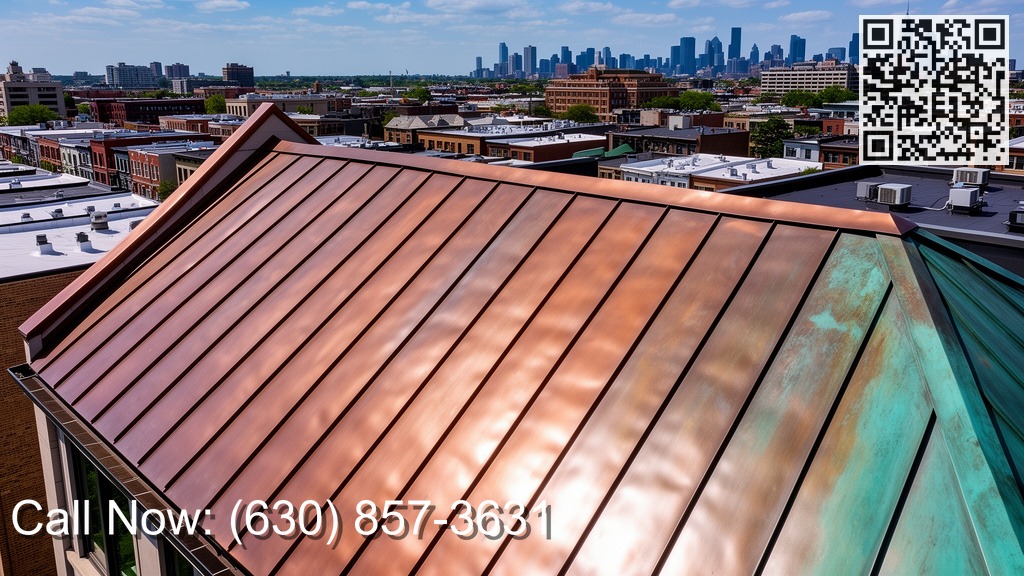
The first is freeze-thaw resilience. Materials that absorb water are constantly under stress in this region. Even small amounts of entraped dampness can increase during freezing conditions and add to splitting, surface area deterioration, or edge damages. Many artificial roof covering tiles are designed to lose water successfully and withstand absorption, which can reduce that cycle of wear.
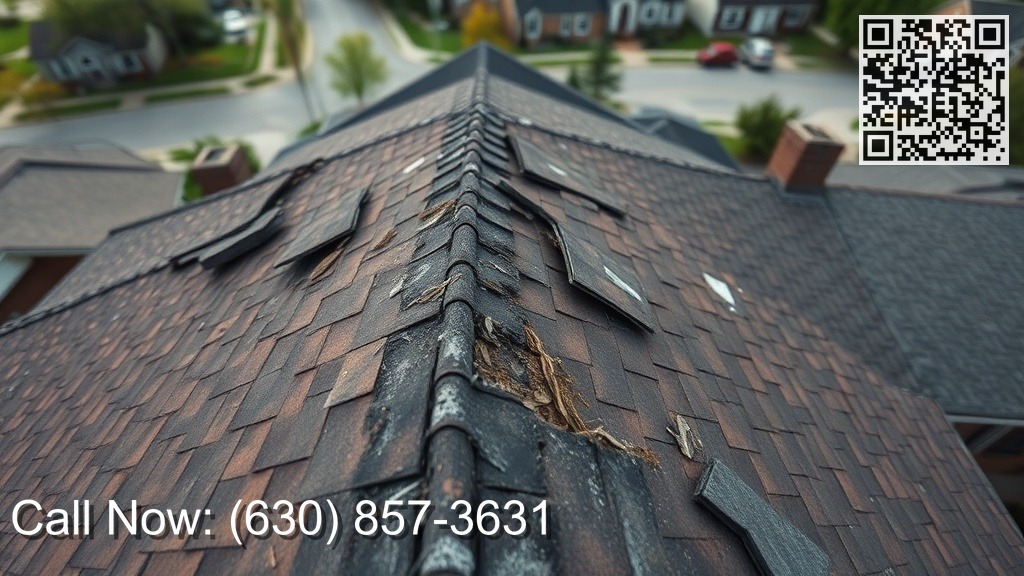
The second is effect resistance. Hailstorm is not a yearly assurance for every single property owner, however it prevails sufficient in north Illinois that it need to factor right into any roof covering decision. Some synthetic items bring solid influence rankings, which might enhance their opportunities of holding up against moderate hailstorm far better than even more brittle materials. That is not a promise versus damage, and no contractor needs to mount it in this way, but it is a reputable efficiency category worth reviewing.
The third is wind performance. Anybody who has actually examined roofing systems after a solid tornado in the western suburbs or closer to the lake knows that side details issue. A high quality synthetic roofing installation, done to maker requirements, can provide durable wind resistance. Once again, this depends much less on advertising and marketing language and more on the fastening timetable, starter details, hip and ridge therapy, and blinking integration.
What property owners generally see first: the look
Most people do not start their search by reviewing technical notices. They begin by seeing a roof they appreciate. Possibly it is a slate-style roofing system on a Tudor in Oak Brook, or a shake-look roofing system on a custom-made home in Naperville. The aesthetic effect is prompt. Texture, shadow, density, and color movement all affect exactly how considerable a home feels.
Synthetic roofing for high-end homes has expanded since visual allure is not a small concern because segment. On higher-end design, the roofing can represent a significant section of the home's visual identity. A flat-looking roofing on a deeply detailed residence can make the whole framework feel much less resolved. Premium synthetic roof provides designers and house owners even more room to match the roofing to the design of your house without automatically devoting to the price and weight of all-natural slate or the maintenance demands of cedar.
This is specifically valuable in communities where house owners desire authenticity without spending too much on structural upgrades. An all-natural slate roof covering may call for analysis of the framing and, sometimes, support depending on the home and the intended assembly. Artificial alternatives are typically lighter, which opens layout alternatives that could or else be hard or expensive.
That lighter weight also matters during artificial roofing substitute tasks on older homes. Instead of restoring parts of the framework to support a larger material, a homeowner may be able to accomplish a comparable aesthetic impact with a premium artificial item. It is not always a one-for-one replacement in status or long life, but for several households it is a very practical compromise.
The upkeep advantage is genuine, but it needs context
One of one of the most convincing disagreements for property artificial roof is lower maintenance. That holds true, but it needs to be specified carefully. Lower maintenance does not mean maintenance-free.
Cedar shake, as an example, can call for regular monitoring for split or raised pieces, algae or moss development, and local decay depending upon direct exposure and ventilation. Slate can last an extremely long period of time, yet fixings can be specialized and expensive, especially if matching is tough or the initial attachment techniques create problems. Asphalt is typically uncomplicated to fix, but on homes with a lot of roof covering geometry, valleys, dormers, and penetrations, collective wear can still turn into an ongoing expense.
Synthetic systems frequently decrease the routine focus property owners need to offer the roofing system surface itself. They do not normally require the exact same preservation way of thinking as timber. They also avoid several of the brittleness and fragility connected with particular natural materials. However, every roof still depends on seamless gutters, flashings, air flow, and attic room conditions. Ice damming, for example, is not resolved by surface area product alone. If heat loss from the house heats the roofing deck unevenly, snow melt and refreezing can still create troubles at the eaves.
A great artificial professional roofer will certainly explain this clearly. If somebody indicates that the material alone gets rid of all future roofing issues, keep looking.
Installation quality makes a decision whether the advantages appear in actual life
Homeowners frequently invest weeks comparing items and just a few minutes evaluating the crew that will really mount them. That is in reverse. The difference in between a roofing system that does magnificently for many years and one that ends up being a callback magnet generally boils down to craftsmanship.
A synthetic roof covering firm should be able to talk about underlayment choice, ventilation technique, blinking methods, manufacturer-approved accessories, and just how they manage transitions around smokeshafts, skylights, sidewalls, and valleys. Those information are not attractive, but they are where leakage prevention lives.
This issues even more with architectural artificial roof covering due to the fact that some products have details layout requirements to accomplish both correct performance and the desired aesthetic impact. Direct exposure lines, surprising patterns, color blending, starter courses, and ridge information all require self-control. An inexperienced staff can make a premium roofing system look level, recurring, or undoubtedly artificial.
When home owners ask me what divides a reliable synthetic roofer Chicagoland family members can trust from a general roofer that sometimes mounts artificial items, I recommend taking note of how they talk about side problems and devices. Item brochures are very easy to repeat. Clear, particular setup logic is harder to fake.
One short checklist assists throughout specialist meetings:
- Ask which synthetic items they set up on a regular basis, not simply which ones they can order.
- Ask exactly how they take care of ventilation and ice-dam danger on Chicago-area homes.
- Ask for regional projects with a similar roofing system style and complexity.
- Ask that monitors the setup each day.
- Ask what parts of the assembly lug manufacturer demands that can not be improvised.
Those answers typically inform you greater than a refined sales presentation.
Cost, value, and where artificial roofing makes economic sense
Synthetic roof covering is not the most inexpensive path. Home owners considering it ought to anticipate rates over conventional asphalt for the most part, occasionally dramatically above, depending upon item tier, roofing system complexity, tear-off extent, and accessory requirements. The void can narrow or expand based on whether you are contrasting against laminated asphalt, cedar, concrete floor tile, or natural slate.
That stated, roof covering value is not just the first agreement number. It consists of expected life span, likely repair frequency, maintenance concern, aesthetic payment to the home, and whether the roofing matches the quality level of the property itself. On a small ranch with basic lines, costs synthetic roofing might be more roof covering than the task needs. On a personalized home with stonework detailing, steep pitches, turret sections, or prominent road visibility, it might make much more sense.
In artificial roof covering Naperville IL jobs, for example, homeowners frequently weigh visual appeals heavily due to the fact that many neighborhoods feature larger homes with solid curb-appeal assumptions. A roofing system replacement on that kind of building is not only a toughness decision. It is part of preserving the architectural personality and market placement of the house.
Financially, synthetic can also make good sense where all-natural slate or cedar would trigger additional architectural job, insurance policy problems, or lasting upkeep prices that the proprietor does not intend to carry. The financial savings are not constantly visible on day one, however they end up being more clear when you project possession over 15, 20, or 30 years.
Where artificial roof covering shines, and where it may not be the very best fit
There is no best roof covering for every single house. Synthetic has toughness, but profundity suggests acknowledging the limits too.
It often tends to radiate on homes where visual deepness matters, where proprietors want a slate or shake look, where roofing system lines project, and where the family worths reduced upkeep compared to wood. It also fits well on many homes going through synthetic roof covering replacement after tornado wear, aging cedar, or a need to boost look beyond asphalt.
It may be less engaging when the home is really straightforward architecturally, when the spending plan is limited sufficient that costs products create strain in other places, or when a property owner strongly favors the genuine weathering personality of all-natural timber or slate. Some people can find the difference and care deeply about credibility. That is a valid preference. Others care more about achieving a comparable style language with fewer functional downsides. That is valid too.
I have also seen cases where the roofing material was not the limiting element at all. The real issue was bad attic room ventilation, outdated flashing around masonry, or persistent ice buildup caused by insulation voids. In those scenarios, switching to synthetic roof without dealing with the hidden problems resembles installing a far better umbrella while the ceiling still leaks.
Design information that separate an ordinary result from a premium one
A premium-looking roof is not almost the area material. It is also regarding percentage, trim, color harmony, and accessory execution. This is particularly essential with artificial roof for high-end homes, where the roof has to work with stone, brick, stucco, copper accents, dark windows, or traditionally influenced detailing.
Color option should have more idea than numerous house owners at first offer it. A too-uniform color can squash the roofing plane. Way too much variation can look busy, especially on large roof covering areas. The right mix generally mirrors touches already existing in the masonry or trim. Gray slate looks are frequently solid choices on limestone, repainted brick, and several French-country or Tudor homes. Warmer shake tones can match standard, transitional, or craftsman-influenced residences, depending on the facade palette.
Profile choice matters as well. Some synthetic roof covering shingles are thick and heavily distinctive, creating solid shadow lines that read well from the road. Others are subtler and might fit homes where restraint is part of the design language. A good artificial roof covering business will certainly not treat every house the very same. They will talk about scale, pitch, exposure, and how the roof checks out https://holdencpla092.wordcanopy.com/posts/what-to-get-out-of-expert-artificial-roof-covering-setup-in-chicago from various angles.
Flashings and trim steels ought to become part of that very same design discussion. On a premium roofing system, mismatched metal finishes or awkwardly subjected blinking lines can undercut the whole result. Feature comes first, however look still matters.
What a Chicago-area house owner need to anticipate throughout the project
A well-run synthetic roofing system setup need to start with a complete evaluation, not a fast measurement and a rate. The specialist needs to examine decking condition, ventilation pathways, penetrations, chimney interfaces, existing blinking problems, and any type of indications of wetness problem in the attic.
Once work starts, tear-off typically exposes the truth about the existing setting up. On older homes, it is not unusual to locate isolated deck damages, out-of-date repair work, or information that were "made to function" years ago but do not belong under a costs substitute roofing. This is one factor liable contractors avoid excessively rigid rates assures before opening up the roof.
During installment, house owners must anticipate more purposeful pacing than a standard asphalt reroof might require. Artificial systems can entail careful design and information work, specifically on complicated roofscapes. Speed is not the most effective metric. Sanitation, guidance, and information uniformity issue more.
After completion, documentation is worth maintaining. Item names, shade blends, underlayments, ventilation modifications, service warranty documents, and images of vital flashing areas can all serve later, whether for insurance, resale, or future service.
Choosing the appropriate professional in a crowded market
The Chicago market has no lack of roofing professionals, which develops a familiar problem. Numerous firms market every material under the sun, yet just a smaller sized team has repeat, hands-on experience with synthetic systems at a high level.
When assessing a synthetic professional roofer, pay close attention to regional experience with homes comparable to your own. A staff that does outstanding work on broad, straightforward suv roofs may not be the best fit for a steep, cut-up roof covering with valleys, dormers, copper details, and stonework junctions. Intricacy modifications everything.
It also assists to notice whether the specialist is attempting to "market synthetic" in every circumstance or whether they want to state, truthfully, that one more product might serve your house better. That kind of restriction usually signals professionalism. The most effective artificial roof covering installers are not evangelists. They are issue solvers.
Here are a few indicators of a solid fit:
- They can show completed neighborhood projects that have aged a few years, not just fresh installs.
- They discuss the roof covering assembly, not only the surface area product.
- They discuss ventilation, drain, and flashing in practical terms.
- They provide a reasonable routine and set expectations for contingencies.
- They respect the architectural design of your home instead of compeling a generic recommendation.
That last factor matters greater than it may appear. Roof is both developing scientific research and design. A professional that recognizes only one side of that equation seldom generates the most effective outcome.
Why many Chicago-area home owners wind up choosing synthetic
After sufficient contrasts, numerous home owners reach a straightforward understanding. They want the roof to look expensive, yet they do not necessarily want the maintenance worry, structural needs, or specialty repair work challenges that can come with some natural products. Synthetic occupies that middle ground well.
It gives substantial design flexibility. It often does convincingly in extreme weather condition. It can reduce maintenance compared with cedar. It can provide a slate-inspired or shake-inspired look without the exact same weight problems. On the best house, with the ideal installer, it upgrades not simply the roof covering but the whole impression of the property.
That does not make synthetic roof coverings the global solution. It makes them a wise solution for a really usual Chicago-area home owner profile: a person who desires durability, architectural presence, and a roof that really feels aligned with the lasting value of the home.
If that sounds like your situation, it deserves talking to a synthetic roof covering firm that has actual neighborhood experience, especially if your project involves custom-made outlining, a high-visibility roofline, or an artificial roofing system replacement on an older or higher-end home. In Chicagoland, where the weather is requiring and suppress appeal matters, thoughtful household synthetic roofing is not a trend acquisition. It is a tactical one.
When Quality Matters
Salvo Architectural Roofing Contractors
566 West 5th Ave Naperville, IL 60563
(630) 857-3631
 Ask ChatGPT
 Ask Grok
 Ask Perplexity
 Ask Claude
 Ask Google AI
 Ask You